
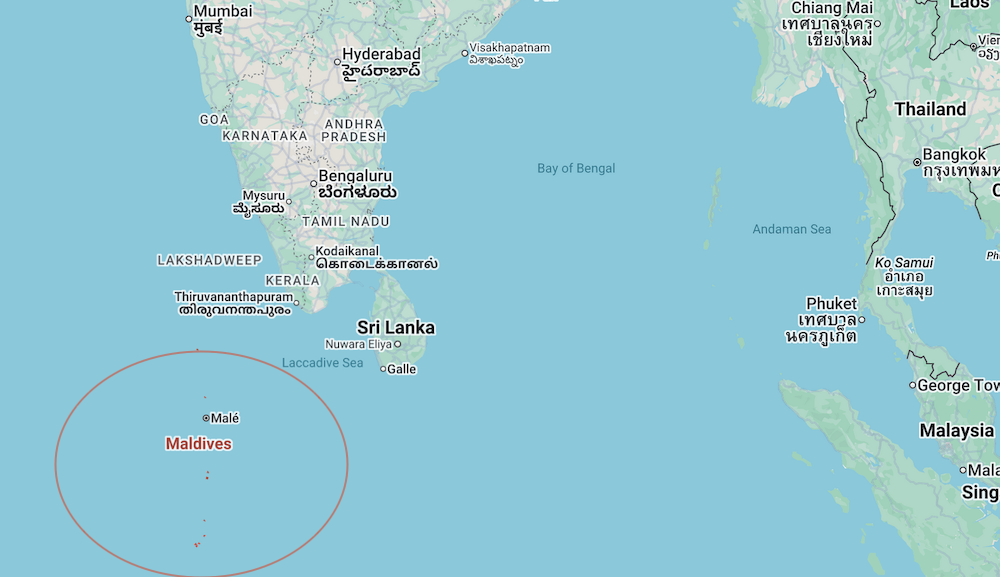
Held in the Maldives, a group of about 1200 islands in the Indian Ocean, the 2026 Asia Media Summit had a special session devoted to ‘Voices from the Waves.’ The Maldives has a population of about half a million people, who live in 1% of the country’s borders, the rest is water.
Weather disasters and emergencies are very much a part of island life. The session looked at the role of media in emergencies, nation building and development.
Emergencies
Governments are responsible for planning for disasters, building emergency infrastructure and providing information what has been done. The media then comes in after that, with media’s role to inform the public about what has been done to prepare, remind them regularly about what to do, educate people about how to react, and help them remember what to do.
Informing people must be accurate and in the right style to get the message through without panic, said Jun Ogawa, a broadcast industry leader from Japan. “Media can maximise the effectiveness and reach of emergency information.”

There are new challenges today when covering disasters, most of them relate to ethics. What should you do if you find a survivor in wreckage when filming? What to do to take care of your staff? How much should you invade survivors’ privacy. There is no clear cut answer, “it is a tug of war inside your conscience,” said Ogawa.
Smart phones have introduced another new element in emergency responses. In the past, when people heard an emergency announcement on radio or tv, they reacted quickly. Now with smart phones in the mix, people often delay their response while they scroll to find out more about what is happening. The problem is that the information may not be online as fast as it can be broadcast, also there may also be disinformation online that confuses people and disrupts the safety response.
The most important thing during a disaster is accurate trusted information. “As broadcasters the best thing we can do is provide that trusted information,” said Ogawa.
Nation Building
Timor Leste gained independence and became a country 24 years ago, since then it has developed a diverse media ecosystem.
“We are a young country,” said Rosario Maia, the President of the board of Timor Leste’s national broadcaster RTTL. “Building a media ecosystem was not just about creating stations it was about creating trust. It was a way for the most remote citizens to get information and be part of shaping the country.
“Community radio was vitally important in that development and “still plays an important role in our country,” he said.
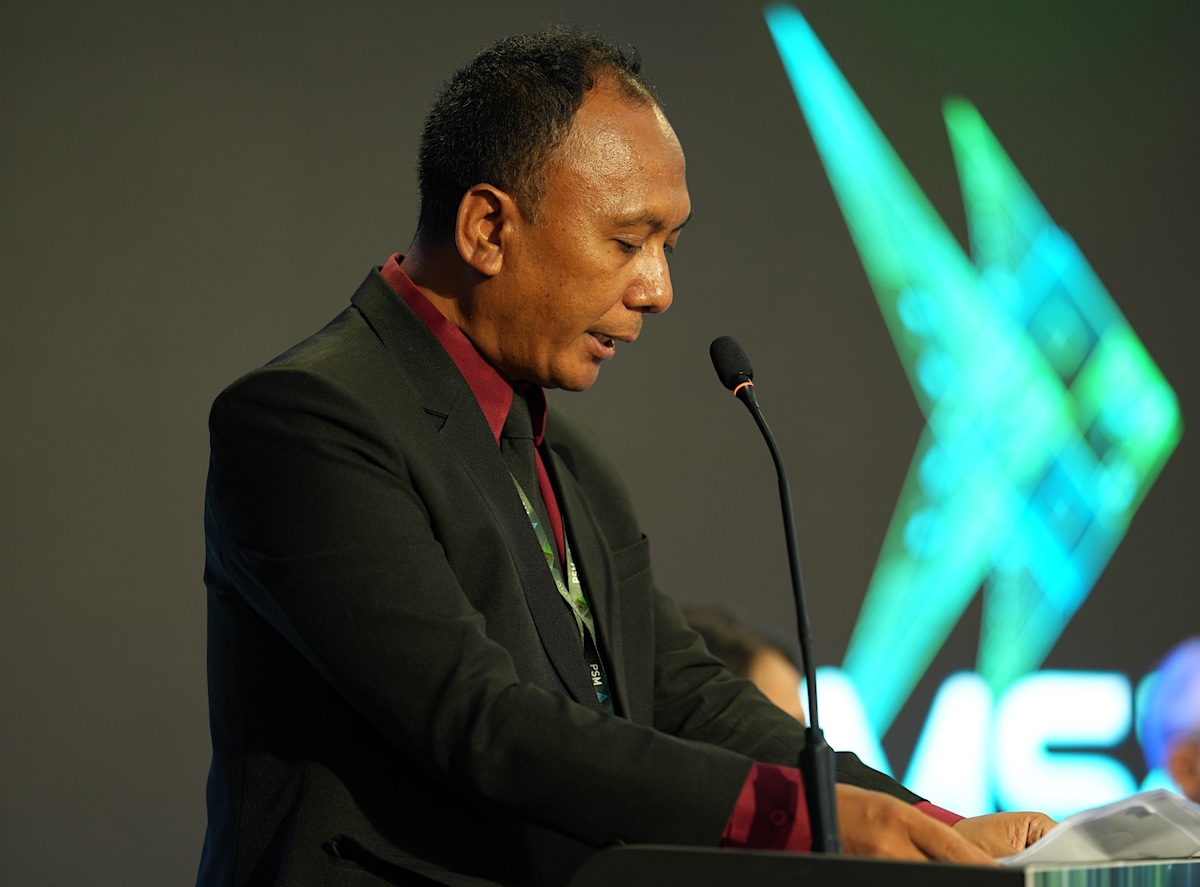
There are 7 tv stations, 18 radio stations in Timor Leste. Internet access is limited by geography in many parts of the country so broadcast media is the most trusted and accessible source of information. With low literacy rates, radio is very important. The media in Timor Leste depends on government support because advertising is not developed.
Responsible media is important for democracy according to xxx. “Media is more than information , it is connection and a bridge between government and the people. It strengthens our democracy.”
Innovation and development
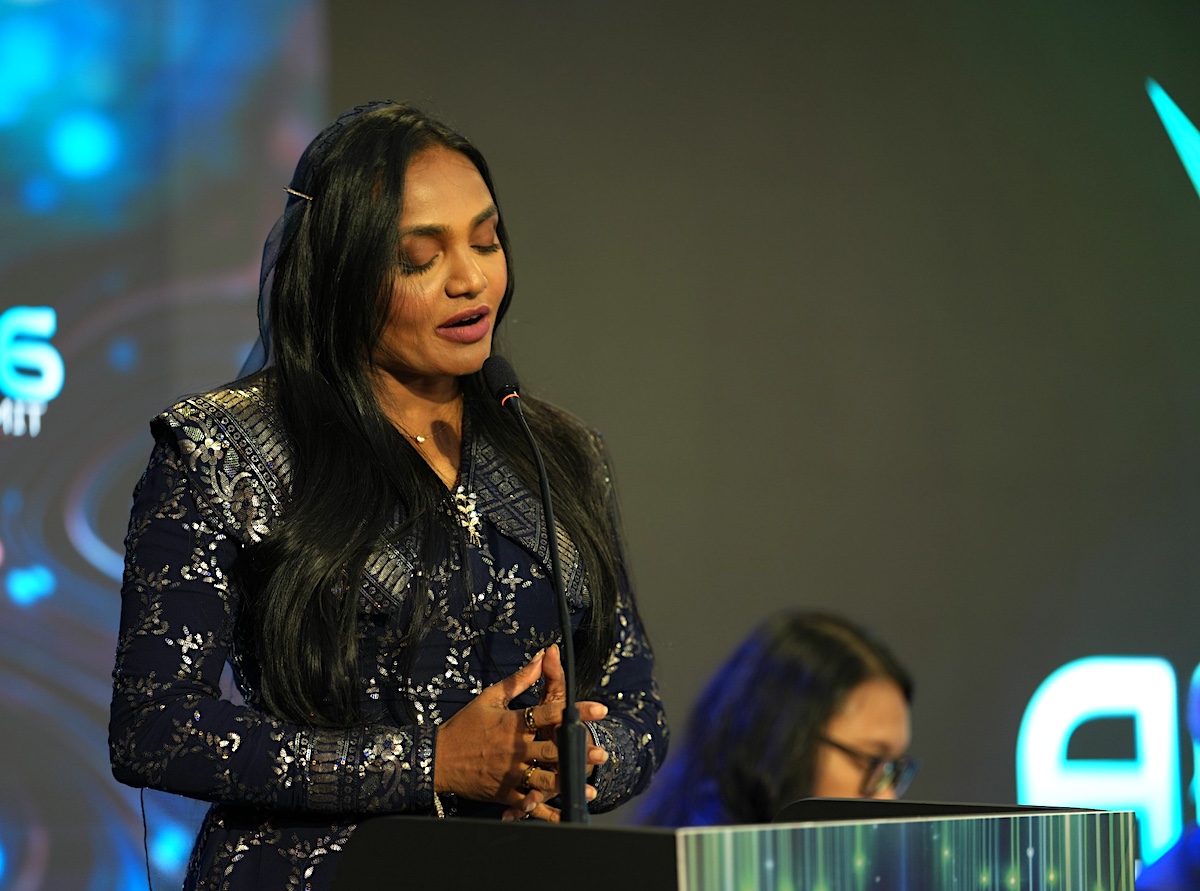
Deputy Minister for Education and Chair of PSM, the national broadcaster, Aminath Namza (main picture) spoke about the role of media in development.
“We are exploring the future through innovation and transformation. Beyond every platform and algorithm, media still holds a unique power. To unite and empower through stories.
“When communities come together with purpose they have greater impact beyond individuals… media helps that process.”
She gave an example of a community rubbish recycling initiative. “These communities have come to see themselves not just as participants, but as guardians of their environment. These are quiet stories that take time. When stories like these are seen, they become part of the positive change itself.
Meaningful change within communities sometimes begins with small stories, media has a responsibility to bring such stories into the spotlight, to bring them to the politicians and the changemakers. Media can be part of positive change.”
In Indonesia, low lying islands have been hard hit by the climate crisis. “Indonesia has small and vulnerable islands. Pari Island has already lost 9 metres of land. Water is already in peoples houses,” said climate centre campaigner Patria Rizky Ananda.
“Media must not just be chasing the stories that are trending. We may look at the likes and views a story gets, but that’s not what really matters. What matters is the impact it has on the community. Does is bring positive change? We in the media have a responsibility to bring stories that move people and bring change for good.”
Related reports: