
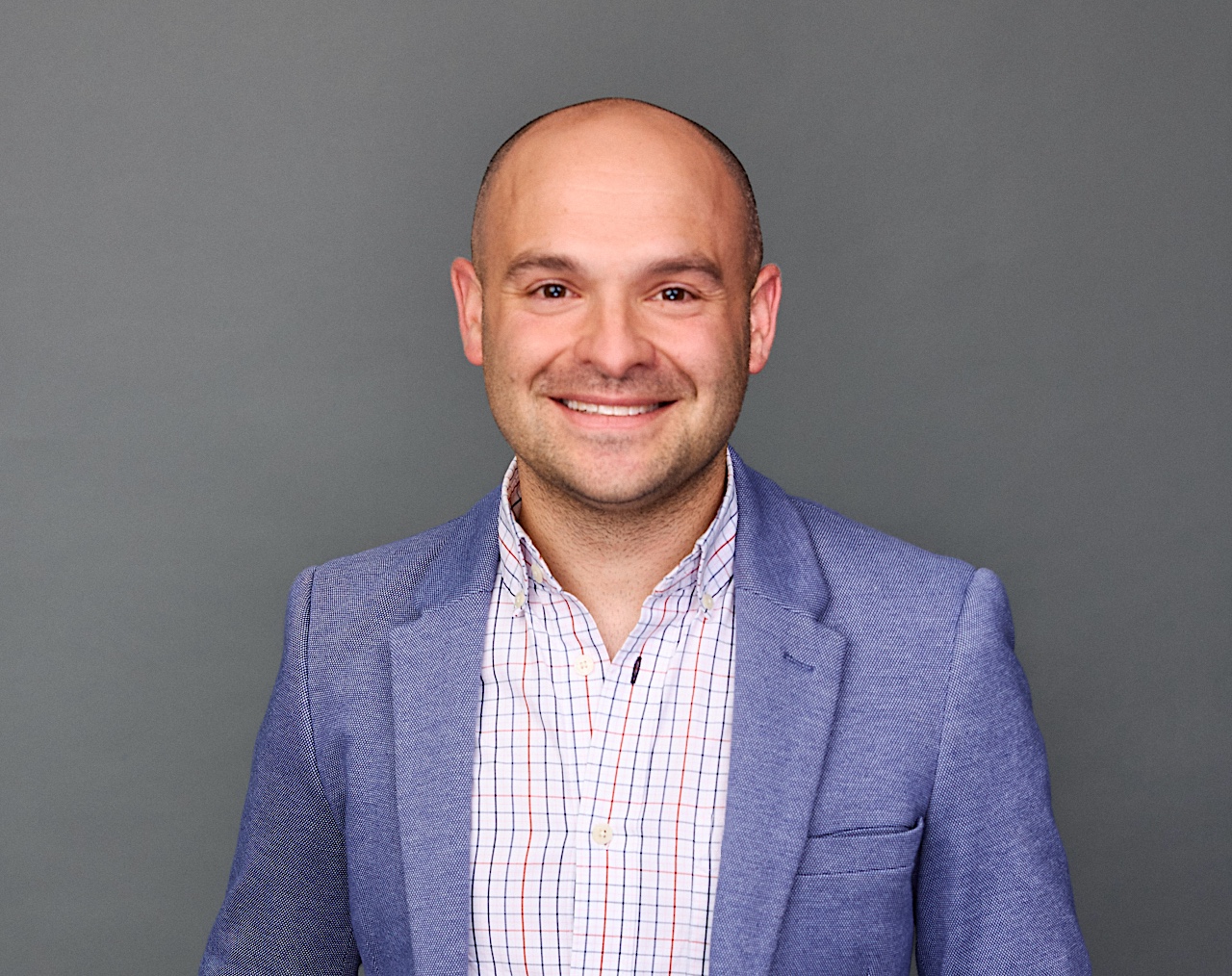
As entries continue to roll in for the 2025 ASIA PODCAST AWARDS, radioinfo spoke to iHeart Australia’s head of audio, Corey Layton to get some tips for podcast success.
He says podcasting is a long game, and, if you start a podcast, you need to be ready to work on its growth consistently.
“If you look at the top podcasts, the majority, except for perhaps some true crime series, have been around for a long time. It takes a long time and a lot of devotion to grow a podcast audience.”
Globally, some of the most listened to genres are crime, comedy, news and entertainment. “They tend to be the bigger of the genres, no matter which market. In some parts of Asia, more educational-based content also tends to pop up.”
If you know that there is an audience and are willing to put in the work, you could be successful.
“Ultimately, it’s about where is the gap in the market and being as focused and hyper-targeted as you can possibly be on who is the audience. The more you can say, it’s for everyone, chances are the less it’ll work.
“It’s about who exactly are you trying to target and why does this fill a gap in their day. We’re all being pulled from left to right to be utilising different forms of media, so it’s got to be something that fits into their day and provides them with something back.”
Once your podcast is up and running, promotion of the podcast is essential. Corey Layton recommends:
“Depending on the format, considering video at least for social cut-up or clips is a key part.
“Do cross collaborations with other podcasts who might talk to similar audiences. They are equally trying to come up with content week on week, so if you can pitch to them why you are a great guest in that particular week, to help borrow some of their audience, that is also a key tactic.
“Social is also key to grow a community around your podcast, to have a place where your fans can collaborate and come together to discuss and debate those topics. Set up areas where communities can thrive around whatever your topic is and enjoy the content that you create across audio and video.”
Podcast listeners are spread across age ranges, but are stronger in the 18-44 demographic and podcast listeners have more disposible income than the population average. Time spent listening to podcasts has more than doubled in the past 7 years.
The Australian Radio Network leverages its ownership of iHeart Podcasting to promote the podcasts on radio and deliver both mass market radio audiences and nice podcast audiences to advertisers.
Listen to the whole conversation between Corey and radioinfo’s Steve Ahern, where they also discuss iHeart Australia’s business model for podcasts and evolving podcast consumption trends around the world.
Full Transcript
Corey: Hello Mr. Ahern. Very good to be with you.
Steve: Let’s get straight into it. First up, congratulations on a great performance in the Podcast Ranker, over 4 million monthly listeners and you are top of the rank at the moment. How’s that feel?
Corey: It’s great! We were number one for the 60th consecutive ranker in a row, which is no easy feat and something the team and I are so incredibly proud of.
None of it’s possible without our incredible partners that continue to make great content that Aussie listeners continue to lean into.
Audience consumption trends
Steve: Can you give me a snapshot of the kind of people who are listening to podcasts and what their listening habits are, from what you’re seeing in your consumption?
Corey: When it comes to the podcast listeners that we have, when you look at everything that we represent in Australia, it actually expands to somewhere between seven and eight million on any given month. So we have a huge amount of shows that we represent and look after in this country.
When it comes to the sorts of people that are listening to podcasts,it depends what date you’re listening to this. But as of today, it’s 48 % of Australians listen to podcasts in a given month. The new Infinite Dial is about to drop, depending on when you’re listening, it will likely go up a little bit. So we’ll wait and see.
Listening continues to expand when it comes to podcasts.
Gender split is normally fairly even, maybe ever so slightly more males are listening to podcasts, but call it 5 % more. When it comes to the demographic, really it’s 18 through 44-year-olds that are over-indexing compared to the average Australian.
The really exciting bit for advertisers is their household income and their disposable income over-indexes when you think of an Australian podcast listener versus the average Australian. It means that a podcast listener has more cash up their sleeve to spend on products and services. That’s great for the podcast industry!
Steve: Do you think there’s a ceiling on podcasting anywhere? I’m starting to hear in various markets that people think that podcast listening might be plateauing? Or will there be a time where everyone just listens to podcasts?
Corey: I’m not sure there’ll ever be a time where everyone listens to podcasts in the same way that there’s not a time where everyone watches TV or movies or listens to radio or any other platform. I’d love it to happen, but I don’t think it will.
When it comes to listening, what we know is the time people spend with podcasts has more than doubled in seven years. That is a huge amount.
In 2017, it was 29 minutes a day. In 2024, it was 65 minutes a day. That is significant traction and a significant amount of time that people are spending with the medium, albeit while they’re doing other things. That’s the beauty of the medium when it comes to audio. It’s now morphing into video and having video elements as well, which also provides people with another reason to enjoy the content, albeit in a different way.
Steve: I’ve been at conferences recently and two interesting points struck me. One was a talk by Goalhanger as they expanded into video on YouTube. They were at first afraid that it might cannibalize their audience, but they said the video aspects of podcasting just brought them into a whole new audience, which didn’t cannibalize their audio audience. The other interesting thing was that I met a company in America that sells branded mic pop shields, they made all sorts of shapes, teapots and ice cream shapes and Oreos, because once you visualize the podcast, the microphone itself can become an embedded ad in it.
Corey: Totally, that’s true. When it comes to Goalhanger, they spoke recently at the Podcast Show in London.
They said that 25% of their 63 million monthly downloads come from YouTube, which starts to demonstrate the scale of YouTube for them. I think for all podcasters, YouTube can help you tap into a newer, mostly younger audience that tend to use YouTube as their Google. They are searching for different topics and therefore discovering your content in a completely different way.
There’s a whole generation out there when you ask them about what podcast do they check out, many of them will refer to what they watch on YouTube versus what they listen to, so it is an opportunity to grow and to tap into new audiences. Doesn’t work for every show though. Some shows where there’s two people talking, video podcasts can work really well. But if you’re an investigative or a crime podcast or a narrative or even some of the children’s storytelling podcasts, it doesn’t necessarily adapt to video as easily.
Steve: Good point. Interestingly, in our Asia Podcast Awards last year, I saw a few examples of podcast creators who had tackled that kind of storytelling or investigative stuff, and they were making graphics. They were making anime and using that for visualization.
Corey: Yeah, I’ve seen some really cost-effective solutions, you’re right, particularly coming out of Asia when it comes to animating narrative types of podcasts. Not to say it can’t be done, it definitely can.
Steve: You were at the London Podcast Show. What else interested you there?
Corey: For me, it is clear that the world is shifting into maybe the second podcast 2.0 phase where Creators, as I guess I said, are no longer just about creating audio.
Podcast creators are now very much their own media entities. Things have shifted where they are a media brand all to themselves, where they are creating audio content, they’re creating video content, social content, they have events, they have EDMs, they have merch, they have product lines.
In the world of a podcast creator no longer is the audio the centre of the universe. It’s part of the universe. I think it’s really exciting to see how different creator IP is being used across multiple formats to their benefit, to advertisers’ benefit, but ultimately to the benefit of their fans, communities and audiences.
The business of podcasting
Steve: Let’s get on to advertisers and the business side of it. Your ARN, iHeart, is a podcast creator of some programs, but you also represent some very big other podcast creators as well. How did you decide to go that way in terms of the business model for sales of podcasts in Australia?
Corey: I think ultimately there are many creators locally and globally that pride themselves on being independent and with that being able to control their content from end to end and be able to make those decisions. They’re some of the biggest in the world. So for us, we wanted to be able to develop a way where we could continue to empower them, where they could continue to maintain their control, and we could work with them and support them as they continue to expand. That’s really the backbone of our network.
Steve: How does it divide up into podcasts that you create yourself right from scratch? podcasts that are catch-up radio podcasts, and then the rest that are created by someone independent but you represent?
Corey: When you look at the scale of what we look after, obviously, yes, there’s iHeart, but then when you expand to look at entities like the BBC, the New York Times, Sony Music, etcetera… we work with so many incredible partners. When you start to take into account their scale, things that are made locally do tend to dwarf quite quickly. Yes, of course, we make our on-demand radio podcasts and yes, we make a few other podcasts, but on the whole, the majority of our network is made up of things that we represent.
Steve: Well, that was an interesting thing I observed in the ARN Annual General Meeting recently. I think that CEO Ciaran talked about that strategy. That other companies have strategies where they might be producing and commissioning more original content, but when you do that you have a much higher cost base. Whereas ARN iHeart’s strategy has been, as you’ve just explained, to work more with partners but commission less original Australian content.
Corey: Ultimately, it comes down to a balance. We want to be able to support the Australian ecosystem when it comes to creators and ensure that we’re investing locally and making that content work, together with working with existing Australian creators and existing global creators. It’s about finding what are the right existing shows or new ideas to back, versus a sweeping rule that’s in place for all and sundry.
Steve: What are some of those right existing shows that you’re currently doing well with?
Corey: A big part of what we’ve seen when it comes to the expansion of podcast audiences is about topics and content that appeal to our ever growing diverse audience.
We know that, talking about Asia, 63% of Australians that are born in Asia will listen to a podcast every single month. That’s 1.1 million. When it comes to LGBTQ plus Australians, 61% are listening to podcasts monthly. For Regional Australians it’s increased 134% with the amount of regional monthly listeners that are coming into the medium over the last seven years. When you look at some of what we are working on, diverse voices is key.
We have a podcast we are incredibly proud of called Two Good Sports with Abby Jelmy and Georgie Tunney, where they talk sport news told differently.
We have another great podcast called Concealed with Art Simone, where Art reveals different things that Australians might be concealing from their lives. We work incredibly closely with Blackcast, the podcast network. We’re in production at the moment of series two of a podcast called Find and Tell, which is all about platforming undiscovered indigenous voices and introducing them into media. So these are the sorts of shows we find are valuable and rewarding, not just for audiences but also for the teams that get to work on them.
Steve: How does that work from a revenue point of view? Are those shows successful revenue-wise? Have they claimed the niche to a point where they can monetize it?
Corey: Absolutely. All those shows that I just referenced are all profitable shows and are all sponsored.
Steve: Well, congratulations, that’s quite something. We talked about successful podcast creators and media personalities, but really in the world of podcasting, maybe the top 10 or 20% are actually making money or a profit, but the rest are not. So that’s quite something that yours are.
Corey: Yeah it is. I think part of that also goes to the power of podcasts and broadcast working together in terms of being able to provide brands with greater exposure by utilizing podcast content or promoting podcast content onto broadcast which helps provide advertisers with some more assurances, particularly if it’s a new or newer concept.
Steve: So, is that what you’re doing? Would we hear ads for them on ARN radio stations?
Corey: Absolutely.
Steve: We saw that right at the beginning of the podcast boom where News Limited just went crazy on the True Crime Investigative podcast and it did really well.
Corey: Yeah, that’s for sure. I think for them also subscription is a big part of what they’re driving in terms of investigative podcasts, to be able to demonstrate their journalistic credentials, so bundling that into their subscription offering makes a whole lot of sense.
Tips for creation and promotion
Steve: Let me move on now to get some tips for people who are making podcasts in the context of the Asia Podcast Awards, which we’re running. They’re currently open. Entries close at the beginning of July. So get your entries in, anyone who’s listening to this.
Thinking through all your experience, Corey, if someone came to you and said, I want to make a great podcast that sounds good, will return me a reasonable amount of money and will win some awards, what kind of things would you tell them?
Corey: I would say don’t do it!
I say that half tongue in cheek, but if you look at the top podcasts in this country or any country, the majority of those podcasts, except for perhaps some of the true crime series, have been around for a long time. It takes a long time and a lot of devotion to grow a podcast audience. So if the reason that you are coming into the medium is to make money, the chances are low and you need to spend a lot of time. If you’re willing to do that, by all means, but it does take a lot of time to grow. There are very, very few overnight successes in this game.
Steve: That is very good advice. In terms of genres, what are the genres that are successful in terms of podcast listenership?
Corey: I think when you look globally, the patterns are very much the same across crime, comedy, news, entertainment. They tend to be the bigger of the genres, no matter the market. In some parts of Asia, more educational-based content also tends to pop up, which is maybe less so in some of the Western listening destinations.
Ultimately, it’s about where is the gap in the market and being as focused and hyper-targeted as you can possibly be on who is the audience. The more you can say, it’s for everyone, chances are the less it’ll work.
It’s about who exactly are you trying to target and why does this fill a gap in their day. We’re all being pulled from left to right to be utilising different forms of media, so it’s got to be something that fits into their day and provides them with something back.
Steve: You’ve got that target and you’ve put your dedication in to make a successful podcast that you think can keep going. Any tips how to promote it, how to get the message out that that podcast is right there for that particular target audience?
Corey: Depending on the format, considering video at least for social cut-up or clips is a key part.
Do cross collaborations with other podcasts who might talk to similar audiences. They are equally trying to come up with content week on week, so if you can pitch to them why you are a great guest in that particular week, to help borrow some of their audience, that is also a key tactic.
Social is also key to grow a community around your podcast, to have a place where your fans can collaborate and come together to discuss and debate those topics. Set up areas where communities can thrive around whatever your topic is and enjoy the content that you create across audio and video.
Steve: They’re great tips. Any last things that you’re thinking about in terms of the success of podcasting into the future? What’s on your mind? What keeps you up at night about it?
Corey: Too much! I am always thinking about podcasts. The beauty about this industry is that it tends to shift and shape every couple of months as different platforms come to life or different platforms reveal new features, or different shows come and change and morph.
There are things happening every single day and staying on top of it and being nimble and agile enough to adjust strategies and guide accordingly is definitely what keeps me up.