
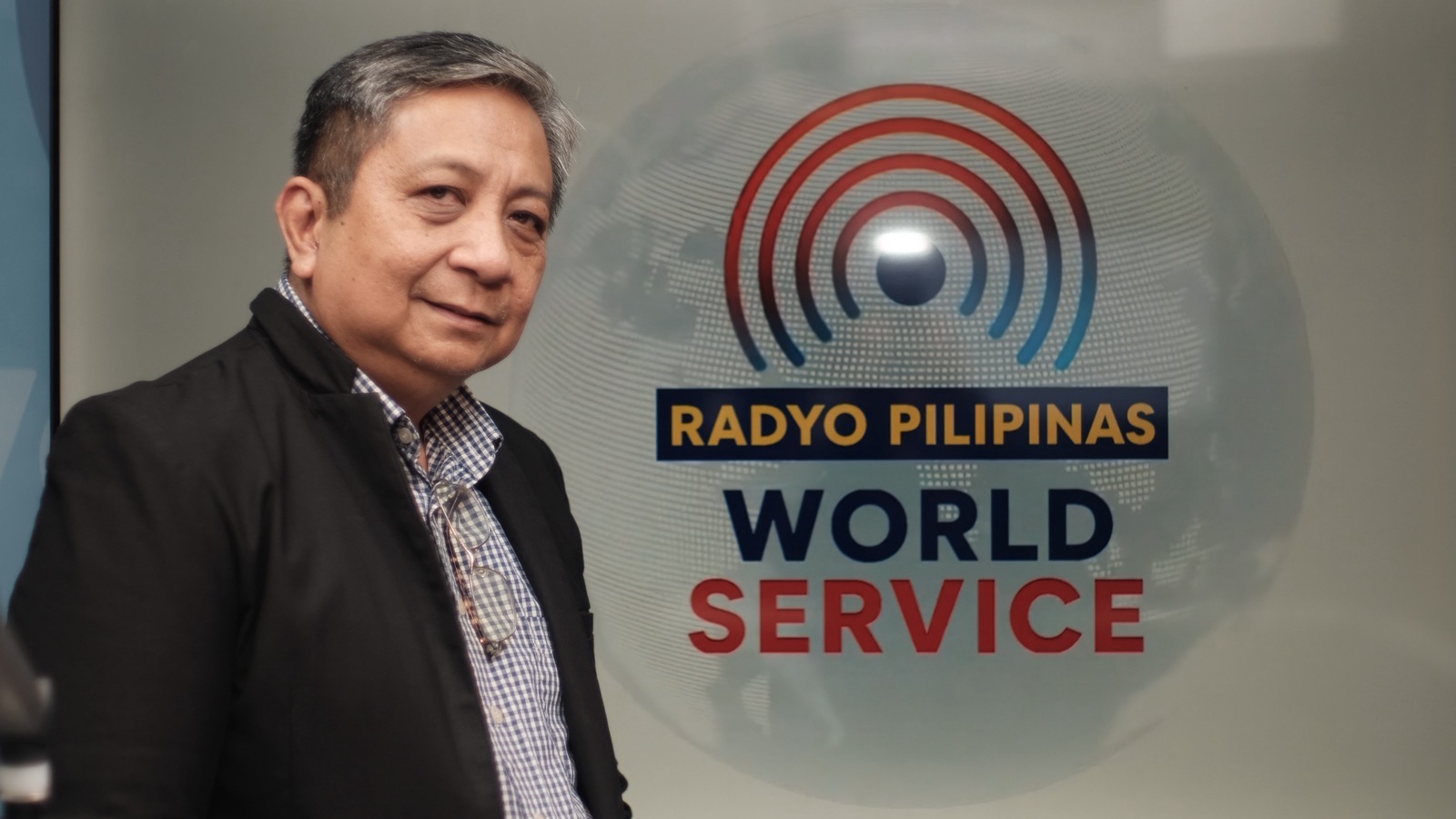
Radyo Pilipinas World Service (RPWS), the Philippine government’s international radio platform, is relaunching its shortwave broadcasts, marking a major step in reconnecting with Filipinos across the globe.
The U.S. Agency for Global Media (USAGM), formally approved the reinstatement of RPWS’s shortwave operations. The authorized start date for resumption is December 1, 2025.
The RPWS, in partnership with the Commission on Filipinos Overseas (CFO), is establishing a global network of volunteer correspondents that will be trained in news gathering, verification, audio production, and storytelling, producing reports that highlight achievements, resilience, cultural preservation, and community initiatives abroad.
“This media collaboration is poised to transform the way the Philippines connects with its global citizens, making every Filipino’s voice part of the national broadcast,” PBS BBS Director General Fernando Amparo Sanga said.
The stories will be aired on RPWS’s program “Serbisyong CFO sa Bagong Pilipinas.” The program would broadcast information on government policies and activities to keep overseas Filipinos (OFs) abreast of national developments, while serving as a vital platform for cultural preservation and heritage promotion among the Filipino diaspora.
The mandate would be to link the Filipino diaspora, and “serve as a credible channel of information, a public forum, and a persuasive agent of social change for Filipinos worldwide.”
Sanga underscored the importance of the resumption, which he said would ensure that the Philippine government reaches the vast global Filipino audience, including overseas workers and communities in remote areas, through the dependable shortwave radio band.
“The re-establishment of this crucial platform is seen as a commitment to maintaining a vital information link for Filipinos across the globe,” he said.
With shortwave and online streaming, Sanga said the RPWS will reach audiences across Southeast Asia, the Middle East, the United States, Europe, and Northern Africa, ensuring even the most remote communities are included