
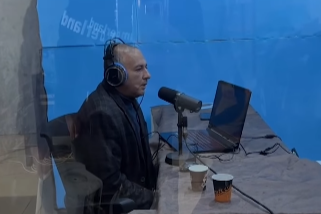
For the first time since the beginning of Israel’s war on Gaza over two years ago, Sawt al-Quds (Voice of Jerusalem) radio station in Gaza City returned to air last month from its headquarters in a damaged building in the city center, now a shelter for displaced people.
Returning via digital broadcast, the presenter became visibly emotional during the first episode as he began recounting the names of his colleagues that have been killed, injured and imprisoned during Israel’s genocide in Gaza.
Another station, Zaman FM returned to the air using limited technical capabilities, operating from its damaged headquarters, where staff continue working from within the rubble amid severe shortages of equipment and essential resources.
The radio content is currently broadcast online during daylight hours, with future plans to return to FM radio.
Local radio remains critically important in Gaza as humanitarian crises persist, electricity outages continue, and access to traditional media remains difficult. This makes radio broadcasting one of the most effective channels for public awareness, health guidance, and service-related information.
Israel has destroyed the premises of 23 local radio stations that were operating before its war began in 2023, in addition to killing more than 250 journalists in the enclave.
Just a few days after Sawt al-Quds resumed broadcasting, an Israeli quadcopter drone was seen hovering above al-Shawwa tower in Gaza City before detonating the transmission mast.
According to a report in the Palestine Chronicle, Imad Nour, one of the presenters, emphasized that the return to broadcasting carries a message of “defiance and hope amidst the rubble, that life continues despite the difficult circumstances left by the war.”
Nour explained that the goal of resuming broadcasting is “to connect with people’s concerns and help them cope with the war’s devastating effects of destruction and displacement.” He also stressed that Palestinians were accustomed to listening to local radio stations, especially during Israeli escalations, before losing access to them during the military assault.
He stressed that this return “places a great responsibility on our shoulders to remain a voice supporting the suffering of our people.”
He noted that the programs will focus on daily life in Gaza, where many live in dilapidated tents and face poverty, unemployment, and deteriorating health and education services.
Related Reports:
Le Monde: ‘Here Gaza,’ and the rebirth of radio within the devastated territory
United Nations: Gaza radio station re-opens, bringing voices from the rubble